Finding the Perfect Pair: Your Guide to Essential Shoe Features
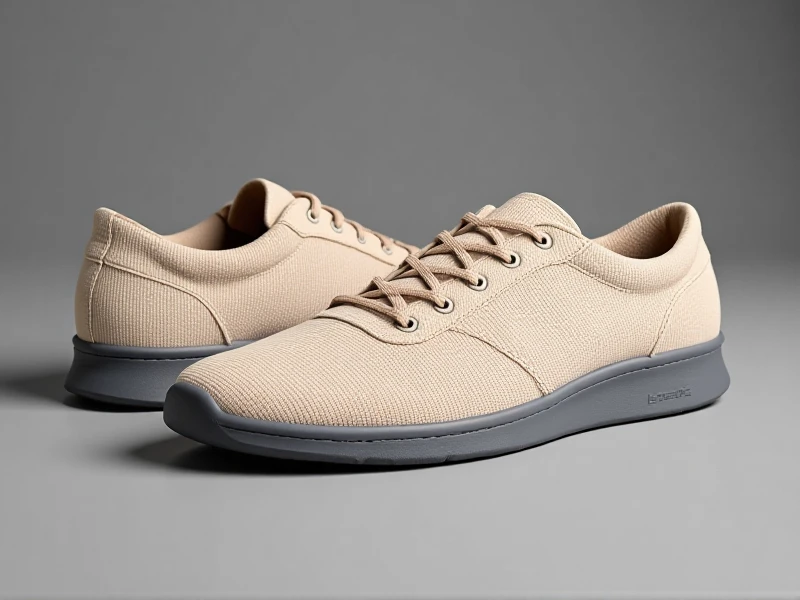
Choosing the right pair of shoes is about way more than just looking good. It impacts your comfort, posture, and even long-term health. Whether you hit the trails, pound the pavement, or navigate a busy office, understanding the key features makes all the difference in finding shoes that truly support your feet. Here's what matters most.
-
Comfort is King (and Queen): Above all else, shoes need to feel comfortable immediately, without a long "break-in" period. Pay attention to cushioning underfoot, room in the toe box (allow your toes to wiggle comfortably!), and overall flexibility. Discomfort leads to blisters, pain, and ultimately, unworn shoes. Think about spending hours on your feet during travel – supportive cushioning becomes non-negotiable.
-
Purpose Dictates Choice: Never underestimate the importance of choosing shoes designed for your specific activity.
- Running Shoes: Prioritize impact absorption, stability features (if needed), and lightweight material.
- Walking Shoes: Seek flexibility where your foot naturally bends and durable, supportive cushioning.
- Dress Shoes: Balance style with finding options incorporating arch support and comfortable insoles where possible.
- Hiking Boots: Essential ankle support, aggressive traction, and waterproof protection are key considerations.
-
The Foundation: Materials Matter: The materials used influence everything – breathability, durability, fit, and weight.
- Leather: Durable, often ages well, provides structure, and can be weather-resistant. Best for boots, classic sneakers, and dress shoes.
- Synthetics: Often lighter and more affordable; mesh options offer supreme breathability for runners. Synthetics are widely used in athletic shoes.
- Textiles: Canvas, knits, and others offer breathability and a more relaxed look but provide less support or weather protection.
-
Getting the Fit Spot-On: Size is just the start. Know your foot width and arch type (flat, neutral, high). Try shoes on later in the day when feet naturally swell and pair them with the type of socks you'll usually wear. Always walk around thoroughly before purchasing.
-
Traction & Durability for Real Life: The outsole is your connection to the ground.
- Rubber Soles: Offer the best grip and durability for everyday wear, work, and outdoor shoes.
- Look for patterned lugs on hiking boots or runners for enhanced grip on various surfaces.
-
Support Where It Counts: Arch support helps align your foot and reduce fatigue. Stability features in some athletic shoes prevent excessive inward rolling (overpronation). Ensure the midsole provides adequate firmness where needed without feeling rigid.
-
Ventilation & Protection: Breathable materials like mesh keep feet cool and dry, reducing odor and discomfort, especially in active shoes like trainers. Conversely, waterproof membranes (e.g., Gore-Tex) are crucial for hiking or wet weather shoes, sealing out elements. Good shoes strike a balance relevant to their use.
Invest in Your Foundation
Choosing quality shoes based on these factors isn't just an expense; it's an investment in your daily well-being. Well-fitting, properly supportive shoes can prevent foot pain, reduce fatigue, enhance performance during activities, and contribute to better posture overall. Take the time to prioritize features that match your lifestyle. Your feet will thank you mile after mile!
Looking for lightweight shoes ideal for travel? Check out our bestselling shoes featuring breathable mesh uppers and advanced sole cushioning (Cloudeon Comfort Walkers). Limited stock!